Author: admin

  • 2 Months Apart

    Creating this Documentary brought me a lot of joy despite it being about a hard time in my life. The ability to reflect and capture the connection between my brother and me felt fulfilling and like a thank you for everything he has done for me. After I compiled and completed the film, I even had an opportunity to present it to my brother and watch him understand my perspective of our life and how important he is to me. While gathering the materials such as videos and pictures needed for my project, I was taken back to the joy I had growing up. My mom and I spent hours on the couch giggling at the ridiculous videos she had taken that we feel portray the personalities my twin and I have grown into. Creating the script was easy. It almost felt like I already had the words in me, and I was waiting for the right opportunity to express them. Ezra and I have always been close, and this documentary really encapsulates that, allowing the audience to get to know me better. Using images from all stages of life shows that even as we grow, Ezra has always been consistent in my life. 
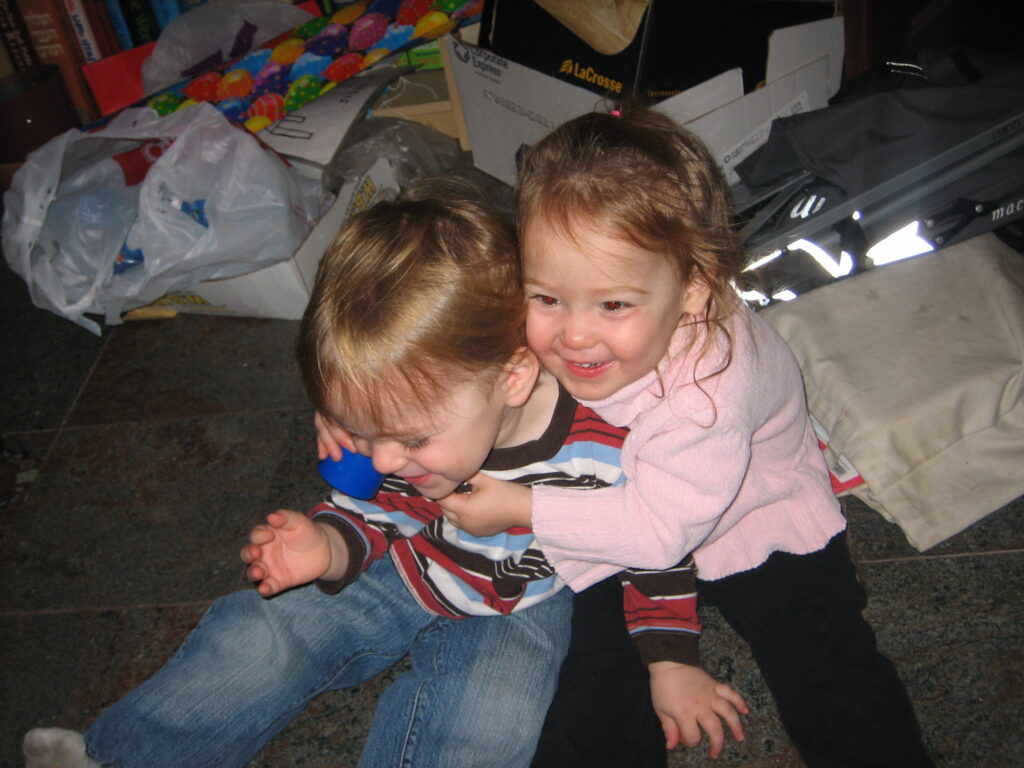
    It felt really important to start my documentary with the story of Ezra making me a cake. This action really encapsulates who he is and what his priorities are, which sets up the audience to better understand him throughout the film. By highlighting only positive images of Ezra, the audience gets a sense of who he is and the positivity he brings to my life. Ezra is a caring, flexible individual who always puts others first, regardless of how he may be feeling. The audience is able to understand through my descriptions and stories the pain I must have felt, knowing that I couldn’t see him. I wanted people to understand our relationship and the groundedness he has given me.
  • Documentary Discussions

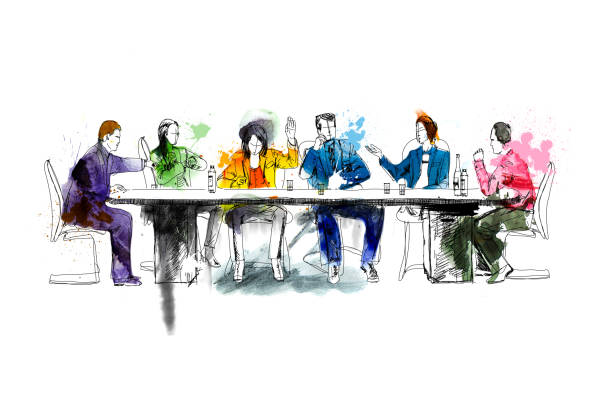
    Documentaries in addition to photos and videos can be used as a voice to speak up and share ideas and different perspectives about society. I grew up surrounded by the belief that all human beings can learn from each other and the best way to resolve conflict is to listen and hear other people’s perspectives. In society not everyone is going to think and believe the same thing and I truly believe that’s what makes our world beautiful. Diversity is crucial and through documentaries people have the ability to speak up about what is true to them while also creating opportunities for others to watch and listen even if they disagree. Documentaries also are powerful by giving voice to the general public who can speak on and demand change about  larger issues in society. 

    “By bringing groups together and moving collective action forward, this documentary commons creates spaces for diverse people to share in modes of deliberation and the work of establishing the infrastructure needed to sustain relational connection” (Documentary Resistance, 7) 

    Documentaries have the ability to create communities that not only want to fight for the same cause but also ones where people might participate in debate in order to further their knowledge. Documentaries are just the beginning or the spark that leads to constant social engagement and discussion within the diversity in our society.  

    https://www.google.com/url?sa=i&url=https%3A%2F%2Fwww.istockphoto.com%2Fphotos%2Fart-discussion&psig=AOvVaw28WjmpNvNHdcYr1UsKvdtB&ust=1764781672733000&source=images&cd=vfe&opi=89978449&ved=0CBkQjhxqFwoTCMCR8K2yn5EDFQAAAAAdAAAAABAE

  • 60 Second Documentary

    My twin is one of the most important people in my life. He has had a huge impact on my life especially at home. Growing up with someone the same age as you means all your milestones are done together. We really were with each other through it all. In addition to big moments together we also were with each other every day while just enjoying our childhood. As a result the absence of the other was felt strongly and was impactful. You cant just ignore the fact that your “life mate” was gone for a short period of time. Who would you tell about your day or process the crazy interactions you had with your family? This documentary is created from the perspective of someone inside the story. I am an “insider.” I know exactly how I was impacted and can decide how to share that with the audience. I choose not go into detail about why I was in the hospital because it feels more private and isn’t crucial to the story. Additionally the choice of images reflects the happiness and love I want the audience to feel even though it is a story of hardship. I want the audience to see how close my twin and I are in order to understand the emptiness I felt when separated from him.  

  • Power of Representation

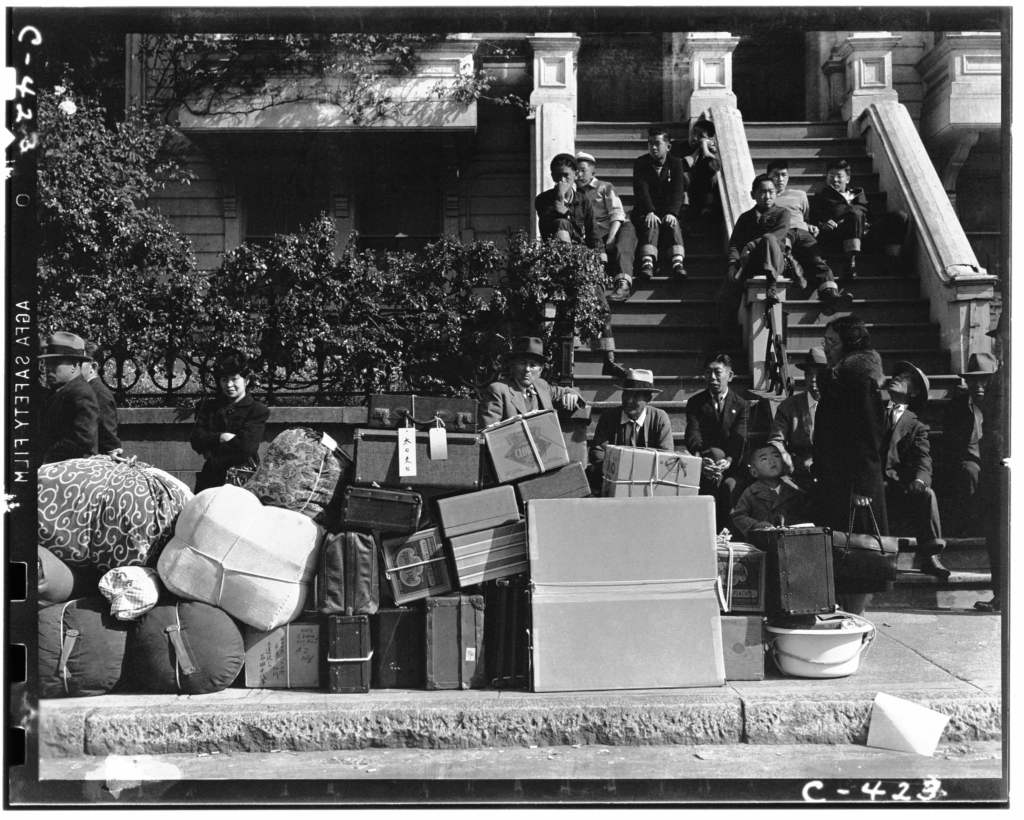
    Dorothea Lange, a photographer in the 20th century, is best known for her personal yet complicated photos of struggle and hardship. Lange was not just a photographer but a storyteller. She carefully gathered stories about the images she took from her subjects. This image was captured in 1942 as part of a collection centered around the Japanese Internment Camps. This image tells the story of many Japanese families whose items were thrown on the street in preparation for the relocation. Not knowing what was going to happen next, they are pictured sitting on stacks of suitcases on the side of the street, waiting for someone to determine what the future holds. 

    Lange uses her images to document and share the social injustices that affect families. She specifically captures moments that force the audience to show compassion and empathy towards her subjects. She chooses to humanize those in her pictures by taking pictures of people at their hardest moments in order to bring awareness. 

    Bill Nichols shares in his book, “If documentaries represent issues and aspects, qualities and problems found in the historical world, they can be said to speak about this world through both sounds and images” (42). Even though Lange works with only images, she is still able to capture stories of people living through historic events. In the image I have chosen, Lange seamlessly captures the worry and fear in her subjects’ lives while also showing the experience of the historical Japanese Internment Camps. 

    Through her work, she gives voice and representation to those who were silenced by the US Government. She tells many testimonies of individuals and families who have stories of struggle and hardship. Lange shows her audience that documentary work is about advocacy, and that images have just as much power to share the injustices of the world and preserve the stories that are trying to be erased.   


    Lange
    , Dorothea, 1895-1965

  • Ethical Tensions

    A Stranger With A Camera

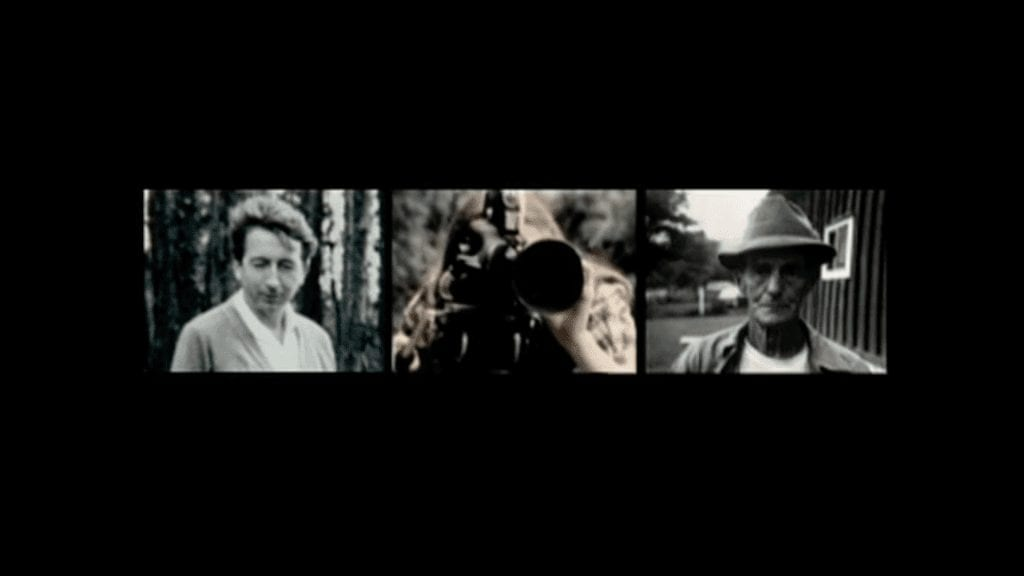
    The documentary A Stranger with a Camera explores the impact of documentary work on the subjects being filmed. The film centers around the killing of Hugh O’Connor, a documentarian, who was working on a documentary centered on poverty in Appalachia. While O’Connor was filming one day, a local man shot him as a result of feeling exploited. O’Connor had come into a poor town in Appalachia in order to capture authentic moments in the community. However, as an outsider, O’Connor didn’t take into account how his position would frustrate the subjects whom he was filming. Even though O’Connor had good intentions, documentarians often benefit more than their subjects, which leads to ethical tensions and feelings of exploitation from the subjects. 

    The film specifically highlights in interviews the frustration many community members felt about the media produced, and the focus was only on poverty and not on the lives and culture of the subjects who were actually being filmed. There is a major inequality between filmmakers and their subjects, which makes creating fully ethical documentary work challenging because the filmmaker ultimately controls the narrative.   


    Robert Coles discusses this same tension in his book Doing Documentary Work. He writes, “I was proving to be, finally, a self-absorbed traveling salesman, peddling my documentary wares, which she and others were asked to purchase, through the time and energy they gave to me, week by week” (65-66). Coles acknowledges the reality that documentaries can only be made with the time and energy of the subjects, and filmmakers can’t produce a film without them. However, the subjects don’t always get a say in what the narrative is or get acknowledgment for their contribution, and most of the benefits go to the person creating the film. Documentarians must navigate the ethical tension of documenting and storytelling without their subjects feeling exploited.

  • Psychological Location

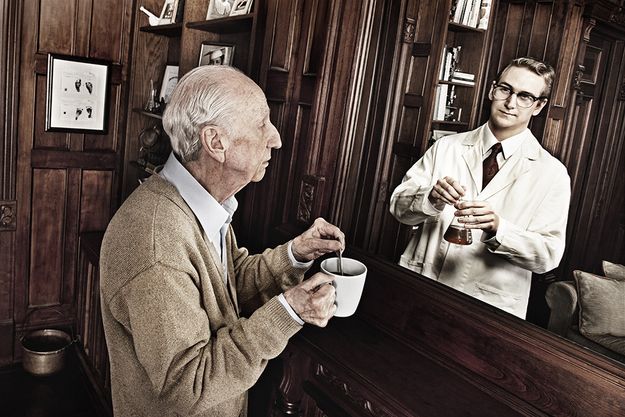
    In Doing Documentary Work, Robert Coles writes about Erik Erikson’s thoughts on documenting others through his research. Erikson believes a documentarian’s role is to gather the information you observe and present it in a way where the audience will trust you. According to Erikson, a documentarian’s own biases and life experiences impact the way they receive and interpret the story they are trying to capture. The audience’s job is to take into account who is gathering the story and what influences they might have on the final product. For Erikson the idea of “location” is not physical but physiological. He thinks that people’s own lives and experiences shape how people view each other and how people tell stories. 

    Coles connects this idea with the importance of documentarians knowing themselves and where they stand in relation to their own work. He emphasizes self awareness is extremely important in doing honest documentary work. It helps the audience understand how and why a story is being told in a certain way. He also says that the best documentary works are the ones who acknowledge their own biases then use it to create more honest pieces.

    In my life I have definitely experienced this idea of psychological location when I transferred schools junior year of high school. Initially I had a very hard time making friends and made generalizations about how I felt everyone in the school was unkind and exclusive. However later I realized that I had my own biases about the school because I was the new kid in a grade that had already been established for two years. My psychological location influenced how I thought about the other members of my grade. Now I feel more confident in my ability to understand how my experiences affect how I view a new situation.

  • Blog Post #1

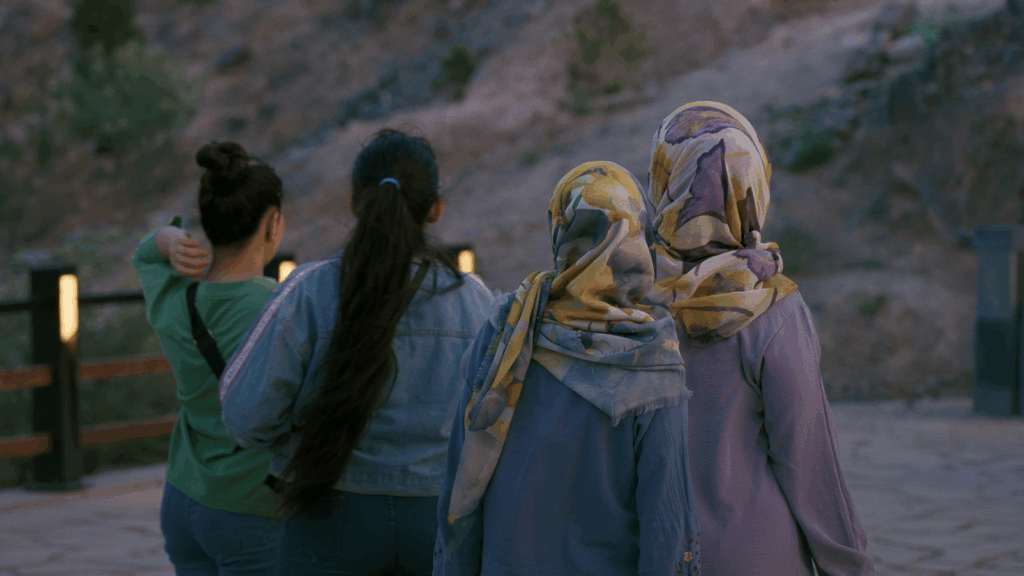
    The documentary A Move created and narrated by Elahe Esmalli captures her time visiting her hometown in Iran where her parents’ family live. She chooses to not wear a hijab which becomes the focus of the film and a point of contention between her and her family. 

    Esmalli chooses to tell the story in a very personal way that shows her family dynamics living in Iran. Her family become concerned and angry that she is disregarding the law when she shows up to a family event without a hijab. Esmalli chooses to show these arguments with her family so the audience can see how the government’s laws affect family relationships. In the film she does not focus on the misogynistic Iranian Government but how people live day to day under their rule. She also chooses to add no landscapes of Iran into the film and instead just showed images and videos of her and her family. The lack of attention on the Iranian Government allows the viewer to truly see the personal effect and how people live in Iran. 

    Esmalli additionally made it clear to the viewer that she did not wear hijab because she believes in women’s self respect and freedom in Iran. However these views were seen as forbidden and dangerous to her family. As a viewer this life of inner conflict and balancing family dynamics is seen as challenging and very admirable. Also the personal perspective and story helps viewers understand the effect of the Iranian Government on citizens. Coles shares, “A documentary film attempts to portray a particular kind of life realistically” (Coles, 5). Esmalli captures her family’s life and their dynamic close up which leads viewers to see resemblance or similarities in their own families. By doing this, Esmalli highlights the struggles in Iran and the universal tensions in family which makes her story both meaningful and relatable. 

    https://talkingshorts.com/affectionate-counter-narratives