A Stranger With A Camera
The documentary A Stranger with a Camera explores the impact of documentary work on the subjects being filmed. The film centers around the killing of Hugh O’Connor, a documentarian, who was working on a documentary centered on poverty in Appalachia. While O’Connor was filming one day, a local man shot him as a result of feeling exploited. O’Connor had come into a poor town in Appalachia in order to capture authentic moments in the community. However, as an outsider, O’Connor didn’t take into account how his position would frustrate the subjects whom he was filming. Even though O’Connor had good intentions, documentarians often benefit more than their subjects, which leads to ethical tensions and feelings of exploitation from the subjects.
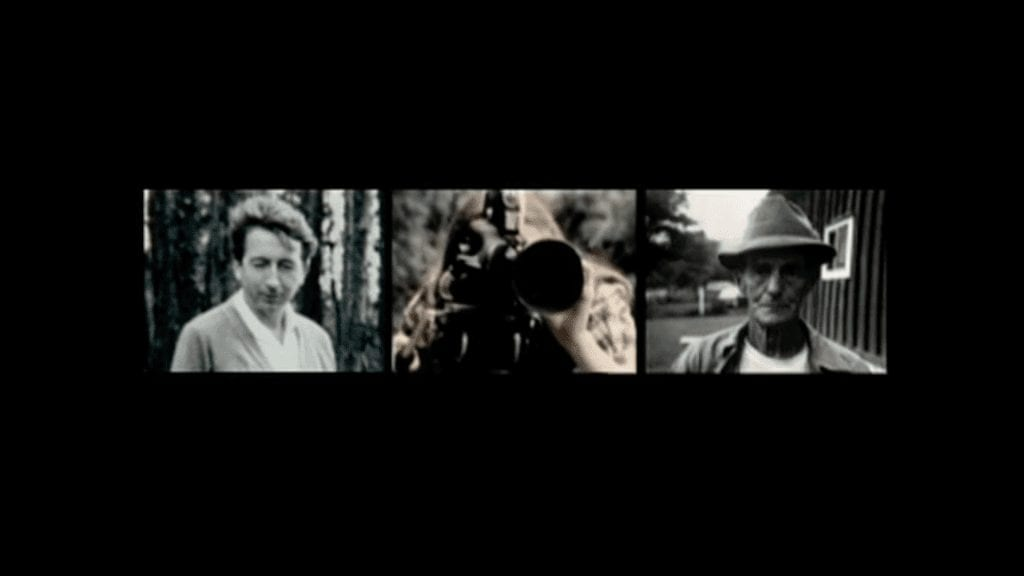
The film specifically highlights in interviews the frustration many community members felt about the media produced, and the focus was only on poverty and not on the lives and culture of the subjects who were actually being filmed. There is a major inequality between filmmakers and their subjects, which makes creating fully ethical documentary work challenging because the filmmaker ultimately controls the narrative.
Robert Coles discusses this same tension in his book Doing Documentary Work. He writes, “I was proving to be, finally, a self-absorbed traveling salesman, peddling my documentary wares, which she and others were asked to purchase, through the time and energy they gave to me, week by week” (65-66). Coles acknowledges the reality that documentaries can only be made with the time and energy of the subjects, and filmmakers can’t produce a film without them. However, the subjects don’t always get a say in what the narrative is or get acknowledgment for their contribution, and most of the benefits go to the person creating the film. Documentarians must navigate the ethical tension of documenting and storytelling without their subjects feeling exploited.

Leave a Reply