In Doing Documentary Work, Robert Coles writes about Erik Erikson’s thoughts on documenting others through his research. Erikson believes a documentarian’s role is to gather the information you observe and present it in a way where the audience will trust you. According to Erikson, a documentarian’s own biases and life experiences impact the way they receive and interpret the story they are trying to capture. The audience’s job is to take into account who is gathering the story and what influences they might have on the final product. For Erikson the idea of “location” is not physical but physiological. He thinks that people’s own lives and experiences shape how people view each other and how people tell stories.
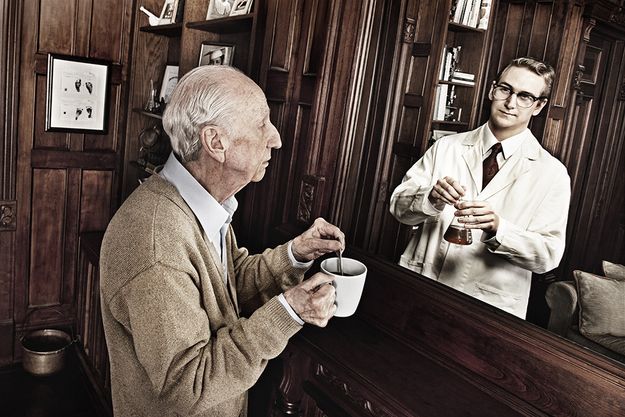
Coles connects this idea with the importance of documentarians knowing themselves and where they stand in relation to their own work. He emphasizes self awareness is extremely important in doing honest documentary work. It helps the audience understand how and why a story is being told in a certain way. He also says that the best documentary works are the ones who acknowledge their own biases then use it to create more honest pieces.
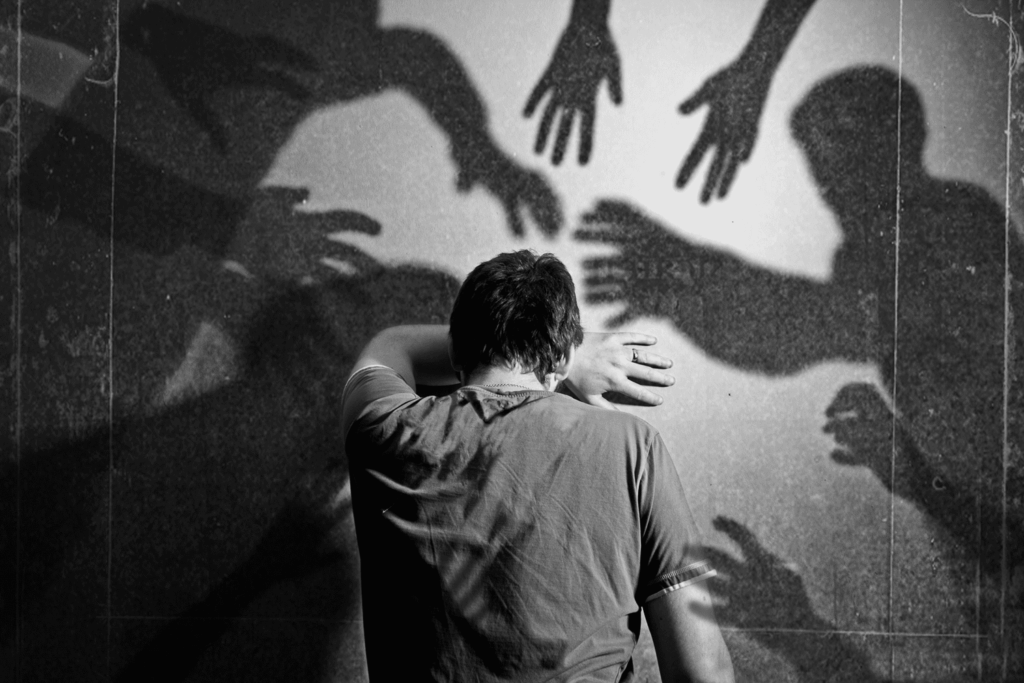
In my life I have definitely experienced this idea of psychological location when I transferred schools junior year of high school. Initially I had a very hard time making friends and made generalizations about how I felt everyone in the school was unkind and exclusive. However later I realized that I had my own biases about the school because I was the new kid in a grade that had already been established for two years. My psychological location influenced how I thought about the other members of my grade. Now I feel more confident in my ability to understand how my experiences affect how I view a new situation.

Leave a Reply